🔎 Disclosure: Heads up, babe: some links here are affiliate links, which means you might throw a tiny commission my way if you buy (zero extra cost to you). Only things you’d actually use and love get shared on this site.
1. Change The Oil Before It Gets Dark And Thick
Girl, waiting until your oil looks like burnt coffee is how engines cry for help.
Fresh oil keeps everything smooth and saves you from that scary mechanic call, you know the one.
Here’s what to watch for:
Check Oil Color: Pull the dipstick and look for light brown oil to keep the engine running smooth
Follow The Mileage Sticker: Change the oil every 5,000 miles to avoid sludge buildup
Listen To Rough Idling: Notice shaking at stoplights to catch dirty oil early
👉 Here’s How You’ll Do It:Pop the hood this weekend, pull the dipstick, wipe it clean, reinsert it, and check the color against the owner’s manual guide before booking an oil change if needed
How I Made It Easy: Consider a basic oil change reminder app like CARFAX Car Care to track mileage and avoid forgetting
2. Check The Tire Pressure Once A Month
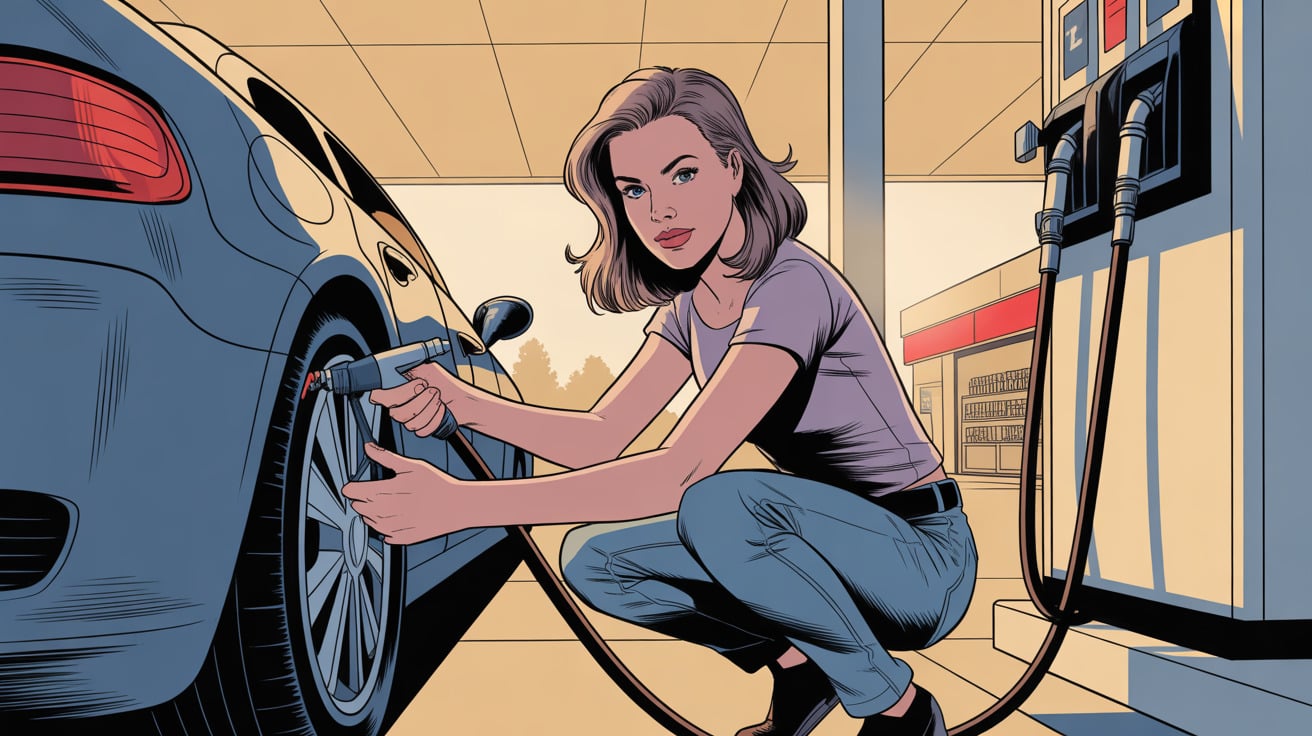
Flat-looking tires are not just ugly, babe, they wreck your gas mileage and wear out fast.
A quick pressure check keeps your car steady and stops blowouts before they happen.
Keep it simple like this:
Use A Tire Gauge: Check PSI when tires are cold to get an accurate reading
Match Door Sticker Numbers: Inflate to the PSI listed inside your driver door for safe driving
Scan For Slow Leaks: Recheck after 3 days to catch nails or tiny punctures early
👉 Here’s How You’ll Do It:Grab a tire gauge from your glove box, check each tire in your driveway before school drop-off, and fill them at a nearby air pump if they’re below the listed PSI
How I Made It Easy: Consider a digital tire pressure gauge with a backlit screen to read numbers clearly at night
3. Rotate The Tires Every 6 Months
Ever notice one tire looks more bald than the others, like it had a rough year?
Switching their positions every 6 months spreads the wear evenly and makes them last longer.
Do this and thank yourself later:
Mark The Date On Calendar: Schedule rotations every 6 months to avoid uneven tread
Combine With Oil Changes: Rotate during routine service to save time
Check Tread Depth: Use a penny test to spot low tread before it becomes dangerous
👉 Here’s How You’ll Do It:Call your usual shop and book a tire rotation this month if it has been over 6 months since the last one
How I Made It Easy: Consider a tread depth gauge tool to quickly check tire wear at home
4. Replace The Engine Air Filter When It Looks Dirty
That little air filter works hard, babe, and once it’s clogged your engine struggles to breathe.
Swapping it out boosts power and helps your car feel less sluggish, IMO it’s the easiest fix ever.
Look for these signs:
Inspect The Filter: Remove it and check for heavy dirt buildup
Notice Slow Acceleration: Feel delayed response when pressing the gas pedal
Check Every 12 Months: Replace yearly to keep airflow clean
👉 Here’s How You’ll Do It:Open the air filter box under the hood, slide the old filter out, compare it to a new one, and replace it if it looks gray or dusty
How I Made It Easy: Consider a high-quality replacement air filter that fits your exact car model
5. Check The Brake Pads Before They Start Squeaking
Squeaky brakes are not cute, girl, they are expensive warnings.
Catching thin brake pads early keeps you from replacing the whole rotor later.
Pay attention to this:
Look Through The Wheel Spokes: Spot thin pads before they wear down completely
Feel For Vibration: Notice shaking when braking to catch issues early
Schedule An Inspection: Check pads every 10,000 miles to avoid metal grinding
👉 Here’s How You’ll Do It:During your next car wash, peek through the wheel spokes and book a brake check if the pads look thinner than a quarter inch
How I Made It Easy: Consider ceramic brake pads designed for quieter and longer-lasting performance
6. Top Off The Coolant Before Summer Heat Hits
Hot weather plus low coolant equals steam drama on the side of the road, and nobody wants that.
Keeping coolant at the right level prevents overheating during long grocery runs or beach days.
Stay ahead with this:
Check Coolant Reservoir: Look at the clear tank and make sure fluid hits the max line
Inspect For Cracks: Notice brittle hoses before they leak
Top Off Before Road Trips: Add coolant before long drives in summer heat
👉 Here’s How You’ll Do It:Open the hood when the engine is cool, check the coolant tank level, and pour in the correct type listed in your manual if it’s below the line
How I Made It Easy: Consider a pre-mixed coolant jug made for your car’s brand
7. Test The Battery Before Winter Starts
Cold mornings drain weak batteries fast, babe, and getting stuck in your driveway feels awful.
Testing it before winter keeps your car starting strong every single time :).
Watch for these clues:
Check Battery Age: Replace it if it’s older than 3 years
Look For Corrosion: Clean white buildup around terminals to improve connection
Notice Slow Cranking: Pay attention if the engine struggles to start
👉 Here’s How You’ll Do It:Stop by an auto shop for a free battery test before winter hits and replace it early if the reading shows weak power
How I Made It Easy: Consider a portable car battery tester to check voltage at home
8. Replace The Wiper Blades Before Rainy Season
Streaky wipers make rainy nights feel like a blurry horror movie, girl.
Fresh blades give you clear vision and safer driving during storms.
Check these signs:
Listen For Skipping Sounds: Replace blades if they chatter on the windshield
Look For Cracks: Inspect rubber edges for splits
Swap Every 12 Months: Change them yearly to keep visibility sharp
👉 Here’s How You’ll Do It:Lift each wiper arm, slide off the old blade, snap the new one in place, and test them with windshield washer fluid
How I Made It Easy: Consider all-season wiper blades designed for heavy rain
9. Check The Transmission Fluid Color Twice A Year
Transmission repairs cost a fortune, and that’s not drama, that’s facts.
Catching dirty fluid early keeps your car shifting smoothly and avoids jerky driving.
Here’s what to look for:
Check Fluid Color: Look for bright red fluid instead of dark brown
Smell For Burnt Odor: Notice sharp smells that signal overheating
Inspect Every 6 Months: Check twice a year to stay ahead of damage
👉 Here’s How You’ll Do It:With the engine warm and parked on level ground, pull the transmission dipstick and check the fluid color against your manual guide
How I Made It Easy: Consider a transmission fluid dipstick tool made for your vehicle
10. Wash The Undercarriage After Snow Or Beach Trips
Salt and sand love to hide under your car and slowly chew through metal, gross right?
A simple rinse underneath keeps rust away and protects the frame long term.
Don’t skip this part:
Spray The Underside: Use a hose to rinse after snowy or beach days
Focus On Wheel Wells: Clear trapped salt to prevent rust
Dry With A Short Drive: Drive 5 minutes to shake off excess water
👉 Here’s How You’ll Do It:After a snowy commute or beach day, use a hose at home or a car wash undercarriage spray to rinse the bottom thoroughly
How I Made It Easy: Consider a car wash pass that includes undercarriage cleaning for regular protection
11. Fix Small Oil Leaks As Soon As You Spot Them
That tiny drip on the driveway is not “just a spot,” babe, it’s your engine asking for attention.
Catching a small leak early keeps you from dealing with low oil levels and bigger damage later.
Watch for these signs:
Check Under The Car: Look for dark puddles after parking overnight to catch leaks early
Notice Burning Smell: Pay attention to oil smells while driving to avoid engine strain
Monitor Oil Levels Weekly: Track sudden drops on the dipstick to spot hidden leaks
👉 Here’s How You’ll Do It:After parking tonight, slide a piece of cardboard under the engine area and check it in the morning for fresh oil spots before calling a mechanic if needed
How I Made It Easy: Consider an oil leak detection dye kit to pinpoint the source faster
12. Listen For New Noises Every Time You Drive
Random clicking, knocking, or grinding sounds are never “just the car being dramatic,” girl.
Tuning into new noises helps you fix small issues before they turn into wallet nightmares.
Stay alert like this:
Drive With Radio Off Sometimes: Turn the music down once a week to hear unusual sounds clearly
Notice Changes In Steering Feel: Pay attention if the wheel feels loose or shaky
Track When The Noise Happens: Note if sounds appear during braking, turning, or accelerating
👉 Here’s How You’ll Do It:On your next short drive, keep the radio off for 5 minutes and mentally note any new sound that feels different from your usual ride
How I Made It Easy: Consider a small car voice recorder app to describe noises right after you hear them
13. Keep The Gas Tank Above One Quarter Full
Running on fumes might feel bold, but it stresses your fuel pump more than you think.
Keeping the tank above one quarter protects the pump and keeps debris from clogging the system.
Here’s the easy habit:
Refill Before Warning Light: Fill up once you hit one quarter tank to avoid pump strain
Avoid Sediment Pickup: Keep fuel levels steady to prevent dirt from entering lines
Plan Gas Stops Weekly: Add fuel during errands instead of waiting until empty
👉 Here’s How You’ll Do It:Set a reminder to refill every time your gauge hits one quarter and make it part of your weekly grocery run routine
How I Made It Easy: Consider a fuel rewards card app to track fill-ups and stay consistent
If your AC smells weird or airflow feels weak, that little cabin filter might be clogged.
Changing it yearly keeps your air clean and helps your vents blow stronger.
Look for these clues:
Notice Musty Smell: Replace the filter if the air smells stale
Check Weak Airflow: Swap it out if the fan feels less powerful
Inspect Every 12 Months: Change it yearly to keep the cabin fresh
👉 Here’s How You’ll Do It:Open the glove box area, remove the old cabin filter, compare it to a clean one, and replace it if it looks dusty or dark
How I Made It Easy: Consider a charcoal cabin air filter to help reduce odors inside the car
15. Check The Serpentine Belt For Cracks
That long rubber belt under the hood controls more than you realize, babe.
Spotting cracks early keeps your engine from losing power suddenly.
Peek at these details:
Look For Visible Cracks: Inspect the belt surface for splits or fraying
Listen For Squealing: Notice high-pitched sounds when starting the engine
Check During Oil Changes: Inspect the belt every 5,000 miles for wear
👉 Here’s How You’ll Do It:With the engine off, shine a flashlight on the serpentine belt and look for small cracks or loose edges before scheduling a replacement if needed
How I Made It Easy: Consider a compact LED flashlight to clearly see belt condition under the hood
16. Watch The Temperature Gauge On Long Drives
That little gauge on your dashboard is not decoration, girl, it tells you when things get too hot.
Keeping an eye on it during long drives prevents overheating and engine damage.
Pay attention to this:
Monitor Mid-Range Position: Keep the needle near the center while driving
Notice Sudden Spikes: Pull over safely if the gauge rises quickly
Check During Traffic Jams: Watch closely when idling in heavy traffic
👉 Here’s How You’ll Do It:During your next road trip, glance at the temperature gauge every 10 minutes and pull over immediately if it climbs above the normal range
How I Made It Easy: Consider a dashboard phone mount to keep navigation visible while you monitor gauges easily
17. Schedule The Factory Maintenance At The Right Miles
Skipping factory maintenance feels harmless until parts start failing earlier than they should.
Following the mileage schedule keeps your car healthy and protects major components.
Stick to this routine:
Check Owner’s Manual: Follow the listed service intervals for your model
Track Mileage Monthly: Write down miles driven to stay on schedule
Book Appointments Early: Schedule service before hitting the exact mileage mark
👉 Here’s How You’ll Do It:Open your owner’s manual tonight, find the next mileage milestone, and book the required service before you reach that number
How I Made It Easy: Consider a maintenance tracking notebook to log services and mileage in one place
Hey, I'm Lily! I'm a mom who's really good at two things: making life easier and sharing what works. I created ''Like Mom Said'' after one too many moments of realizing: "My mom was right about this." Turns out, a lot of that old-school wisdom still holds up... it just needs a modern spin. Think of me as your friend who's always got a tip (and coffee in hand.)