10 Things You Must Spot Before Paying for a Used Car

🔎 Disclosure: Heads up, babe: some links here are affiliate links, which means you might throw a tiny commission my way if you buy (zero extra cost to you). Only things you’d actually use and love get shared on this site.

1. Check The Title Matches The Seller’s Name

Okay girl, before you even look at the shiny paint, grab that title and check the name carefully.

Nothing ruins a deal faster than realizing the person selling it does not legally own it, and that is a headache you do not need.

Look for these details first:

  • Name Match: Compare the seller’s driver’s license to the name on the title to confirm ownership.
  • No Open Titles: Make sure there is no blank buyer section filled in by someone else.
  • Clean Signature Lines: Check that previous transfers look legit and not scribbled over.

👉 Here’s How You’ll Do It: Ask to see the seller’s ID and hold it next to the title while you stand there before any money talks start.

How I Made It Easy: Consider a simple document holder folder to keep paperwork organized while reviewing it.


2. Make Sure The VIN On The Car Matches The Paperwork

Bestie, the VIN is like the car’s fingerprint, and it better match everywhere.

If those numbers do not line up, you walk away, no debating it.

Double-check it in these spots:

  • Dashboard VIN: Look through the windshield on the driver side to confirm the number matches.
  • Door Frame VIN: Open the driver door and compare the sticker VIN to the paperwork.
  • Title VIN: Read every digit slowly to catch even one wrong number.

👉 Here’s How You’ll Do It: Use your phone flashlight and read each VIN digit out loud while comparing it to the title.

How I Made It Easy: Consider a VIN scanning app to quickly confirm the number matches official records.

Picked For You:  21 Simple Hacks to Save on Gas Every Month

3. Look For Fresh Paint That Covers Past Damage

Fresh paint can look pretty, but sometimes it hides drama underneath, babe.

Ever notice how one door looks slightly shinier than the rest?

Here is what to inspect closely:

  • Color Differences: Stand back and compare panels to spot mismatched shades.
  • Uneven Texture: Run your hand lightly over the surface to feel rough patches.
  • Overspray Marks: Check around window seals and edges for paint residue.

👉 Here’s How You’ll Do It: Walk around the car slowly in daylight and view it from different angles to spot color changes.

How I Made It Easy: Consider bringing a small paint thickness gauge tool to detect hidden repairs.


4. Check Under The Car For Leaks Or Rust

Okay, this part feels awkward, but get down there and look underneath.

Oil spots or heavy rust scream future repair bills, and nobody wants surprise expenses.

Here is what to focus on:

  • Fluid Drips: Look at the ground for dark stains under the engine area.
  • Rust Patches: Check the frame and suspension for flaky brown spots.
  • Wet Surfaces: Shine a light under the car to catch fresh leaks.

👉 Here’s How You’ll Do It: Crouch down and use your phone flashlight to scan under the engine and middle frame before you drive away.

How I Made It Easy: Consider a compact LED flashlight to clearly see underneath tight areas.


5. Turn The Key And Watch For Warning Lights

When you turn that key, all dashboard lights should pop on briefly, then turn off.

If one stays glowing like it is stubborn, that is your clue to pause.

Pay attention to these symbols:

  • Check Engine Light: Make sure it turns off after startup.
  • Airbag Warning: Confirm it does not stay illuminated.
  • ABS Light: Watch for brake system alerts during ignition.

👉 Here’s How You’ll Do It: Sit in the driver seat, turn the key to on without starting, and observe which lights stay on.

How I Made It Easy: Consider using an OBD2 scanner tool to read hidden codes instantly.

Picked For You:  27 Easy Tips To Save Money On Your Car

6. Listen For Clicking Or Knocking From The Engine

Strange sounds are not cute personality traits in a car, babe.

Hear clicking, knocking, or ticking when it idles?

Focus on these sounds:

  • Loud Knocking: Rev the engine slightly and listen for deep knocking noises.
  • High Pitched Ticking: Stand outside near the hood and listen carefully.
  • Rough Idle: Notice if the engine shakes or vibrates at stop.

👉 Here’s How You’ll Do It: Open the hood while the car idles and stand quietly for 30 seconds listening for unusual noises.

How I Made It Easy: Consider bringing a trusted friend who knows cars to listen with you.


7. Press The Brakes Hard During A Test Drive

During the test drive, do not baby those brakes, press them firmly.

Feel shaking or hear grinding?

Here is what to test:

  • Sudden Stop: Brake firmly at a safe speed to feel vibration.
  • Squealing Sound: Listen for high-pitched noises when slowing down.
  • Pulling To One Side: Notice if the car drifts left or right while braking.

👉 Here’s How You’ll Do It: Find an empty road and perform one strong brake test to feel how it responds.

How I Made It Easy: Consider driving in a large empty parking lot to test braking safely.


8. Check That All Windows And Locks Work

It sounds basic, but broken windows and locks get annoying fast.

Imagine winter with a stuck window, no thanks.

Test these before you forget:

  • Power Windows: Roll each window fully down and up once.
  • Door Locks: Lock and unlock using the key and the button.
  • Remote Key Fob: Test the remote from outside the car.

👉 Here’s How You’ll Do It: Sit inside and test every window and lock one by one before ending the test drive.

How I Made It Easy: Consider replacing old key fob batteries ahead of time to test properly.

Picked For You:  25 Ways To Pay Off Your Car Loan Fast

9. Look At The Tires For Uneven Wear

Tires tell stories, and uneven wear means alignment problems.

Glance closely at tread patterns and compare all 4.

Look for these signs:

  • Edge Wear: Check if one side looks more worn than the other.
  • Low Tread Depth: Insert a penny to quickly gauge tread thickness.
  • Different Brands: Notice if all tires match or look randomly replaced.

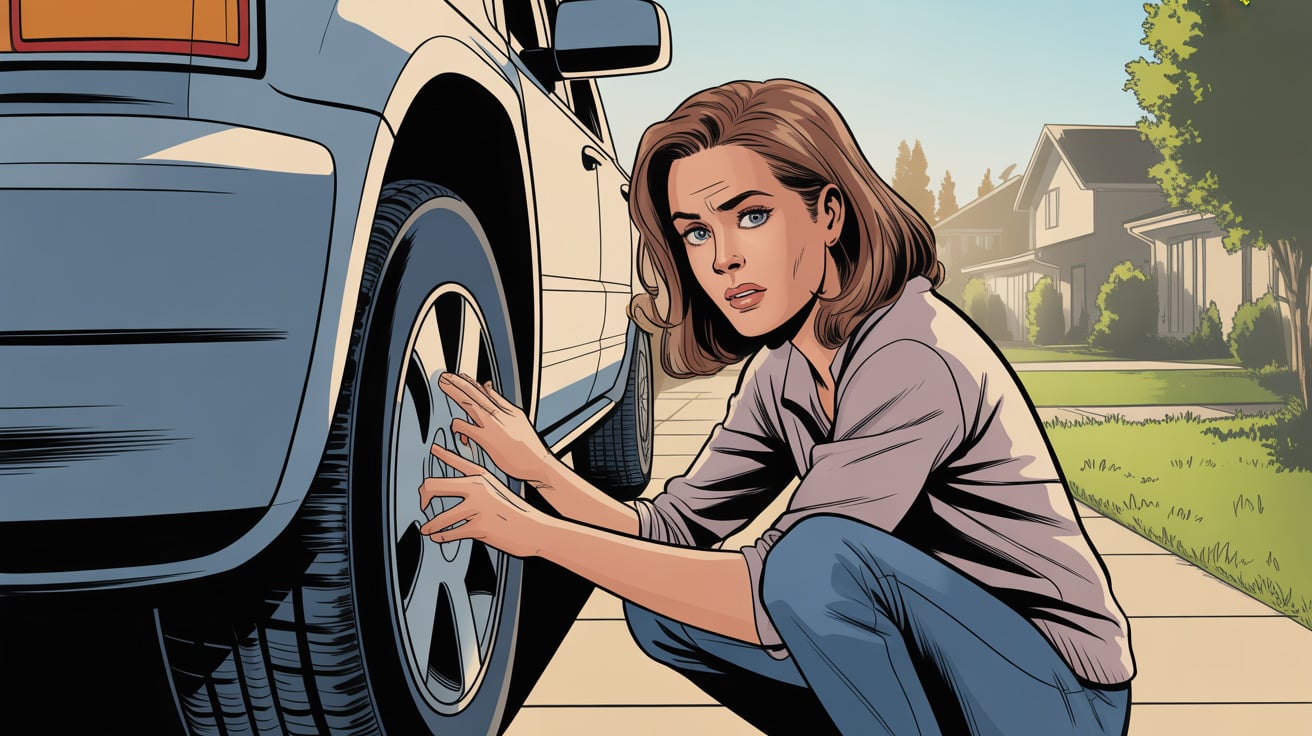
👉 Here’s How You’ll Do It: Kneel down and inspect each tire closely before driving away.

How I Made It Easy: Consider using a simple tire tread depth gauge to measure wear accurately.


10. Smell Inside The Car For Mold Or Water Damage

Girl, your nose knows before your eyes do.

A musty smell can mean past flooding, and that repair story is not cute.

Sniff for these clues:

  • Musty Odor: Sit inside with doors closed and take a deep breath.
  • Damp Carpet: Press your hand into the floor mats to feel moisture.
  • Foggy Headlights: Look for condensation inside light covers.

👉 Here’s How You’ll Do It: Close all doors, turn off the air, and sit quietly inside for one full minute, noticing any smell.

How I Made It Easy: Consider bringing moisture detection strips to check hidden damp areas quickly.


📌 SAVE IT FOR LATER! 📌


Photo of author

Lily Thompson

Hey, I'm Lily! I'm a mom who's really good at two things: making life easier and sharing what works. I created ''Like Mom Said'' after one too many moments of realizing: "My mom was right about this." Turns out, a lot of that old-school wisdom still holds up... it just needs a modern spin. Think of me as your friend who's always got a tip (and coffee in hand.)