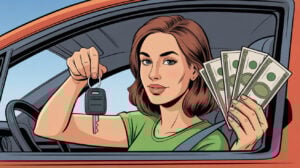
10 Smart Ways to Buy a Reliable Used Car

🔎 Disclosure: Heads up, babe: some links here are affiliate links, which means you might throw a tiny commission my way if you buy (zero extra cost to you). Only things you’d actually use and love get shared on this site.

1. Decide The Exact Car Size Your Family Actually Needs

Okay, babe, before you even open Facebook Marketplace, pause and picture your real life, not your fantasy road-trip self.

Think school drop-offs, Costco runs, strollers, sports bags, and that one random science project that never fits anywhere.

Here’s what to quickly think through:

  • Count Daily Seats: Count how many people ride with you on normal weekdays to avoid buying too small.
  • Measure Trunk Space: Check if your stroller and grocery haul fit without Tetris stress.
  • Plan 2 Years Ahead: Consider future car seats or growing kids to prevent upgrading too soon.

👉 Here’s How You’ll Do It: Stand in your driveway today, list who rides with you daily, and measure your current trunk space using a tape measure or stroller as a test.

How I Made It Easy: Consider a trunk organizer with compartments to test real storage space before committing.


2. Look Up The Most Reliable Model Years Before You Shop

Girl, not every model year is created equal, and some are straight-up drama.

A quick search for reliability ratings can save you from buying the year everyone complains about.

Before you fall in love with that shiny listing:

  • Search Reliability Reports: Look up common issues for that specific year to avoid known engine problems.
  • Check Owner Reviews: Read real complaints from moms who actually drive it daily.
  • Avoid First-Year Redesigns: Skip brand-new redesign years that often have more issues.

👉 Here’s How You’ll Do It: Type the car’s year, make, and model plus “common problems” into Google and read 5 quick reviews before messaging the seller.

How I Made It Easy: Consider using Consumer Reports online access to compare reliability scores fast.


3. Check The Carfax Before You Even Go See It

Bestie, driving across town only to find out it was in 2 accidents is not the vibe.

Picked For You:  10 Things You Must Spot Before Paying for a Used Car

Ask for the VIN first and check the history before you waste your Saturday.

Here’s what to scan for right away:

  • Accident History: Look for reported crashes that can affect safety and value.
  • Title Status: Confirm it says clean title and not salvage or rebuilt.
  • Service Records: Check if regular oil changes and maintenance show up.

👉 Here’s How You’ll Do It: Text the seller asking for the VIN number and run a Carfax or similar report before scheduling a visit.

How I Made It Easy: Consider a Carfax single report purchase to check one car quickly.


4. Stick To Cars With Under 100,000 Miles

Mileage matters, and once it creeps high, repairs love to pop up uninvited.

Staying under 100,000 miles usually gives you more life before major parts need replacing.

Keep it simple like this:

  • Check Odometer First: Look at mileage before anything else to avoid wasting time.
  • Compare Price Per Mile: Divide price by mileage to spot overpriced listings.
  • Ask About Highway Miles: Confirm if most miles were highway driving which causes less wear.

👉 Here’s How You’ll Do It: Open 3 listings right now and compare price divided by mileage to see which one gives you more life for the money.

How I Made It Easy: Consider using an online car price calculator to compare value instantly.


5. Avoid Cars With Multiple Previous Owners

If a car has had 5 owners in 6 years, that’s a red flag waving at you, girl.

Fewer owners usually means more consistent care and less mystery history.

Look for these quick clues:

  • Owner Count: Check how many people owned it before you.
  • Ownership Length: See how long each person kept it to spot quick flips.
  • Maintenance Consistency: Confirm service records match long-term ownership.

👉 Here’s How You’ll Do It: Ask the seller directly how many previous owners there were and compare that answer to the vehicle report.

How I Made It Easy: Consider using Autotrader filters to sort by owner history.

Picked For You:  10 Red Flags To Watch for When Buying a Used Car

6. Always Test Drive On Both City Streets And Highways

Driving around the block tells you nothing, and we both know it.

You need to feel how it handles at stoplights and at 60 mph.

Pay attention to this during your drive:

  • Brake Feel: Press the brakes firmly to check for shaking or grinding.
  • Steering Response: Turn sharply in a parking lot to detect stiffness or noise.
  • Highway Stability: Drive at highway speed to see if it vibrates.

👉 Here’s How You’ll Do It: Plan a test route that includes stop signs, bumps, and at least one highway entrance before you arrive.

How I Made It Easy: Consider using Google Maps to pre-plan a 10-minute mixed route.


7. Bring Someone With You, So You Do Not Miss Red Flags

Car shopping alone can feel overwhelming, especially when the seller starts talking fast.

Another set of eyes catches weird vibes and strange noises you might miss.

Have them help you with this:

  • Watch Seller Behavior: Notice if they dodge questions or rush answers.
  • Inspect Together: Look under the car and inside doors for rust or damage.
  • Stay Calm During Negotiation: Let your friend stay neutral while you focus.

👉 Here’s How You’ll Do It: Text a friend today and schedule your car visit together like it’s a coffee date with a mission.

How I Made It Easy: Consider bringing a small flashlight tool to inspect tight spaces clearly.


8. Get A Mechanic To Inspect It Before Paying Anything

Listen, spending a little upfront can save you thousands later, and that’s not dramatic.

A mechanic can spot leaks, worn belts, or hidden issues you cannot see.

Here’s what that inspection protects you from:

  • Engine Problems: A mechanic checks for leaks and strange sounds.
  • Brake Wear: They measure brake pad thickness accurately.
  • Suspension Damage: They lift the car to inspect underneath properly.

👉 Here’s How You’ll Do It: Call a local mechanic before you shop and ask how much they charge for a pre-purchase inspection.

How I Made It Easy: Consider using Yelp to find a top-rated mechanic nearby fast.

Picked For You:  10 Best Used Cars That Last for Years

9. Compare At Least 3 Similar Cars Before Choosing

Falling for the first cute car is tempting, I know.

Looking at at least 3 gives you confidence and leverage when negotiating.

Do this before committing:

  • Compare Price Range: Check if listings stay within a similar price band.
  • Match Features: Confirm trim level, mileage, and condition align fairly.
  • Spot Overpriced Listings: Notice when one stands way above the others.

👉 Here’s How You’ll Do It: Open 3 tabs right now with the same make and model and compare side by side for 5 minutes.

How I Made It Easy: Consider using Cars.com comparison tools to view specs together.


10. Walk Away If The Seller Rushes You

Pressure is never your friend, especially with big purchases.

If someone pushes you to “decide today,” that’s your cue to breathe and leave.

Trust your gut and remember this:

  • No Same-Day Ultimatums: Refuse deals that expire in hours.
  • Pause Before Paying: Take at least one night to think it over.
  • Trust Your Instincts: Leave immediately if anything feels off.

👉 Here’s How You’ll Do It: Tell the seller you need 24 hours to think, then step away and review everything calmly at home.

How I Made It Easy: Consider keeping a simple checklist on your phone to review before saying yes.


📌 SAVE IT FOR LATER! 📌


Photo of author

Lily Thompson

Hey, I'm Lily! I'm a mom who's really good at two things: making life easier and sharing what works. I created ''Like Mom Said'' after one too many moments of realizing: "My mom was right about this." Turns out, a lot of that old-school wisdom still holds up... it just needs a modern spin. Think of me as your friend who's always got a tip (and coffee in hand.)